Set Length Hash Key Generator
Key Length & Hashing. I need to use a hash function to generate a 128-bit key for a symmetric cipher. The specific cipher is from the eStream portofolio, called Rabbit. I am using the SRP protocol for authentication (a type of EKE protocol). The enabled specializations of the (since C17) hash template defines a function object that implements a hash function.Instances of this function object satisfy Hash.In particular, they define an operator const that:. Accepts a single parameter of type Key. Returns a value of type std:: sizet that represents the hash value of the parameter.
The KeyPairGenerator class is used to generate pairs of public and private keys. Key pair generators are constructed using thegetInstance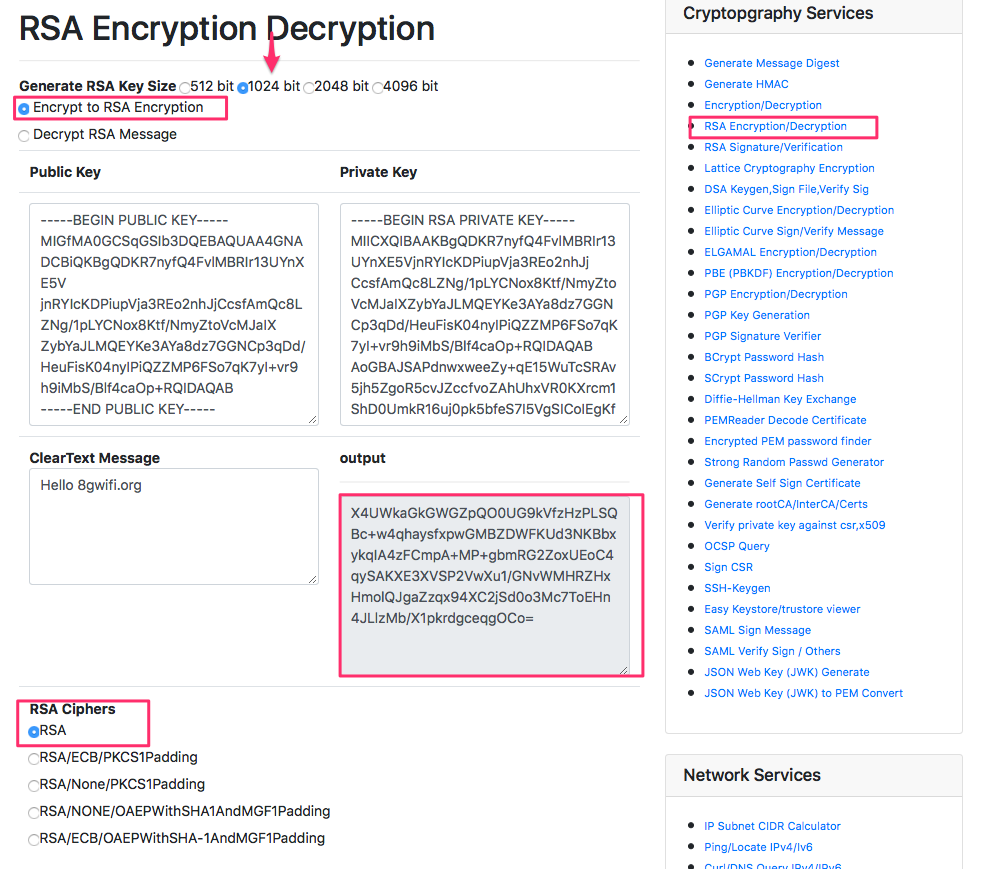 factory methods (static methods that return instances of a given class).
 A Key pair generator for a particular algorithm creates a public/private key pair that can be used with this algorithm. It also associates algorithm-specific parameters with each of the generated keys.
There are two ways to generate a key pair: in an algorithm-independent manner, and in an algorithm-specific manner. The only difference between the two is the initialization of the object:
- Algorithm-Independent Initialization
All key pair generators share the concepts of a keysize and a source of randomness. The keysize is interpreted differently for different algorithms (e.g., in the case of the DSA algorithm, the keysize corresponds to the length of the modulus). There is an
initializemethod in this KeyPairGenerator class that takes these two universally shared types of arguments. There is also one that takes just akeysizeargument, and uses theSecureRandomimplementation of the highest-priority installed provider as the source of randomness. (If none of the installed providers supply an implementation ofSecureRandom, a system-provided source of randomness is used.)Since no other parameters are specified when you call the above algorithm-independent
initializemethods, it is up to the provider what to do about the algorithm-specific parameters (if any) to be associated with each of the keys.If the algorithm is the DSA algorithm, and the keysize (modulus size) is 512, 768, or 1024, then the Sun provider uses a set of precomputed values for the
p,q, andgparameters. If the modulus size is not one of the above values, the Sun provider creates a new set of parameters. Other providers might have precomputed parameter sets for more than just the three modulus sizes mentioned above. Still others might not have a list of precomputed parameters at all and instead always create new parameter sets. - Algorithm-Specific Initialization
For situations where a set of algorithm-specific parameters already exists (e.g., so-called community parameters in DSA), there are two
initializemethods that have anAlgorithmParameterSpecargument. One also has aSecureRandomargument, while the the other uses theSecureRandomimplementation of the highest-priority installed provider as the source of randomness. (If none of the installed providers supply an implementation ofSecureRandom, a system-provided source of randomness is used.)
Hash Key Example
In case the client does not explicitly initialize the KeyPairGenerator (via a call to an initializeSims 3 island paradise free download. method), each provider must supply (and document) a default initialization. For example, the Sun provider uses a default modulus size (keysize) of 1024 bits.
Note that this class is abstract and extends from KeyPairGeneratorSpi for historical reasons. Application developers should only take notice of the methods defined in this KeyPairGenerator class; all the methods in the superclass are intended for cryptographic service providers who wish to supply their own implementations of key pair generators.
Every implementation of the Java platform is required to support the following standard KeyPairGenerator algorithms and keysizes in parentheses:
- DiffieHellman (1024)
- DSA (1024)
- RSA (1024, 2048)